QR Codes for Connected Packaging: Examples and Best Practices
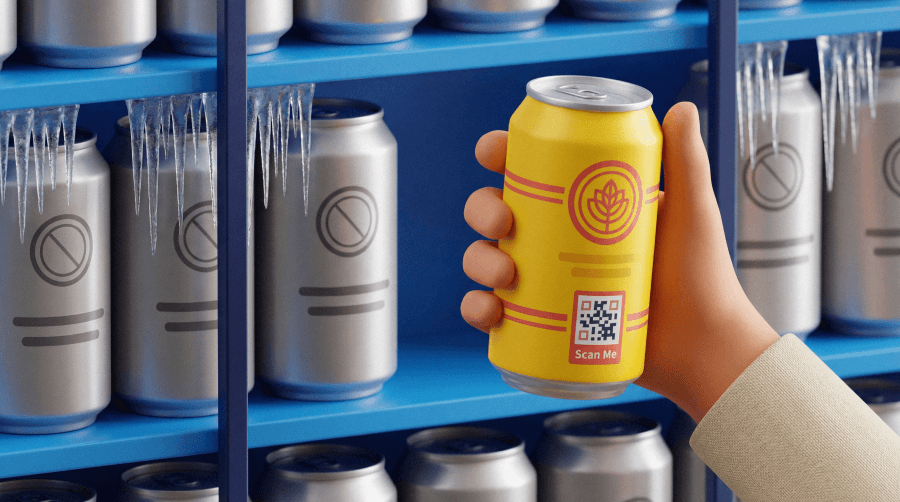
Packaging can do more than hold a product or display a logo; it can guide shoppers, answer questions, spark brand loyalty, and keep customers moving after purchase. A QR Code turns a box, label, carton, insert, or bottle into a direct path to interactive experiences and the next best action.
As retail advances, packaging space stays tight, but customer expectations keep expanding. People want ingredient details, setup help, sourcing proof, recycling guidance, rewards, directions, and fresh offers. Connected packaging helps marketers deliver those moments without stuffing every detail into tiny print. With Dynamic QR Codes, brands can keep packaging useful after campaigns change, addresses shift, or content needs an update. This article looks at how.
Note: The brands and examples discussed below were found during our online research for this article.
Key takeaways
- Connected packaging extends the value of physical packaging by linking products to digital experiences that educate, support, guide, and engage customers after the first scan.
- QR Codes make connected packaging practical: easy to use and flexible enough to support product information, loyalty programs, sustainability details, support content, and changing location-based destinations.
- Dynamic QR Codes let businesses update destinations over time without reprinting labels, boxes, or inserts.
- The strongest connected packaging strategies solve a clear customer need in the moment and give people an obvious reason to scan.
What connected packaging means and why it matters
Connected packaging uses QR Codes to link physical products to digital content, services, or even immersive digital worlds via augmented reality experiences on regular smartphones. It bridges the gap between what the customer holds in their hands and what they need next.
A label can only display so much. A scan can open tutorials, product registration, offers, supply chain sustainability details, maps, multilingual guidance, or care instructions. That extra layer helps shoppers compare products before purchase and helps customers use products with more confidence after purchase.
Marketers often connect this idea to “smart packaging.” When you start to explore the world of smart packaging QR Codes, you can see how brands turn physical touchpoints into digital actions without adding clutter to their packages.
How QR Codes power connected packaging
QR Codes work well on packaging because they are compact, familiar, and offer more versatile functionality than traditional barcodes or NFC tags. They can appear on labels, boxes, sleeves, inserts, hang tags, and shipping materials.
For a broader understanding of QR Codes on product packaging, you should map each scan to a specific customer information need: “What’s inside?” “How do I use this?” “Can I reorder?” or “Where can I find you next?” The strongest experiences avoid generic homepages. They answer the question that prompted the scan, with setup help, allergen details, today’s pop-up location, loyalty rewards, or whatever else you’ve promised to provide.
Static and Dynamic QR Codes serve different jobs. A Static QR Code points to one permanent destination URL, while a Dynamic QR Code lets your team update the destination after printing. That flexibility matters when packaging circulates for months or campaigns rotate by season. The last thing you want to do is reprint and reship everything whenever your connected content changes.
Use cases for connected packaging with QR Codes
Product information and transparency
Customers often want more detail than can fit on a label. QR Codes can link to ingredients, sourcing details, traceability data, allergens, certifications, care instructions, and multilingual guidance.
This setup works especially well for food, beverage, wellness, beauty, apparel, and household products. A brand that links to QR Codes on food packaging can share dietary guidance without crowding the label and detracting from its graphic design.
Transparency also creates a storytelling moment. A coffee brand can show farm details. A skincare brand can explain the purpose of its ingredients. QR Codes for wine labels show how one small code can turn a regular bottle into a far richer experience.
Customer support and product education
Packaging reaches customers right when they need help. A QR Code can take them to a setup video, a quick-start guide, a troubleshooting page, care instructions, warranty registration, or an FAQ page.
Instead of asking people to search your site or find a manual, send them straight to the answer. A kitchen appliance can link to a first-use tutorial, while a plant kit can link to watering tips.
Promotions, loyalty, and repeat engagement
Packaging creates a powerful post-purchase media channel. Customers already know the product, and many feel ready for the next step.
A QR Code can link to rewards or loyalty programs, seasonal offers, product drops, referral campaigns, reorder pages, recipe collections, or VIP communities. For inspiration, our article on smart packaging examples can spark ideas beyond a basic “learn more” link.
Sustainability and reduced print clutter
Connected packaging can help your brand simplify printed materials while still sharing important information for various sustainability initiatives. Teams can move details online instead of adding extra inserts, manuals, or long instructions.
QR Codes can link to recycling instructions, digital manuals, sustainability commitments, product lifecycle details, repair resources, or refill programs. Customers get useful guidance, and teams can update details when programs or disposal regulations change.
Location-based content for mobile and changing businesses
Connected packaging also helps businesses that move. Food trucks, market vendors, pop-up shops, touring activations, and mobile service providers can use QR Codes to guide customers to the right place.
A QR Code can link to Google Maps, driving directions, event maps, venue guides, local landing pages, updated addresses, or “find us today” pages. A food truck can print one sticker and update the destination each week.
How Dynamic QR Codes make packaging more flexible
Printed packaging often outlasts its destination. A seasonal offer expires. A product page changes. A mobile business updates its address. Dynamic QR Codes give marketers room to adapt.
These updatable QR Codes let your team update destination URLs without reprinting labels, boxes, or inserts. That means fewer scrapped materials and faster fixes. Dynamic QR Codes also support campaign and location changes; your team can point the same code to a holiday offer, a loyalty push, or a new product drop, all without printing or distributing anything new.
Perhaps even more importantly, Dynamic QR Codes can track scan activity. Your marketers can review scans by time, device, or location and see which packages, placements, or calls to action drive consumer engagement and interest, so you can refine the consumer experience.
Best practices for connected packaging that people will actually scan
Give people a clear reason to scan
Avoid vague prompts. “Scan me” asks customers to do work without telling them why. Use direct calls to action that name the benefit, such as “Scan for directions,” “Scan for setup help,” “Scan for product details,” or “Scan to unlock today’s offer.”
Make the QR Code easy to see and easy to scan
Design affects scan performance. Give the code strong contrast, enough quiet space, and a size that fits real-world scanning conditions. Place it where customers can reach it without fighting glare. Guidance around minimum QR Code size can help teams avoid codes that look clean in a mockup but frustrate customers in real life.
Match the landing page to the packaging moment
The landing page should deliver exactly what the CTA promises. A “Scan for setup help” code should open setup help, not a homepage.
Keep the page mobile-friendly, fast, and focused. Match the package design, fulfill the promise, and make the next step obvious. Continuity builds trust and ensures a seamless customer experience.
Turn packaging into a lasting point of connection
Connected packaging turns every package into a useful customer touchpoint. It can educate shoppers, reduce clutter, encourage loyalty, and guide people to changing locations.
Dynamic QR Codes make that strategy more adaptable by providing real-time flexibility. They let marketers refresh destinations, fix links, rotate campaigns, update directions, and measure engagement without starting over at the printer.
Ready to create packaging that stays useful after launch? Sign up for QR Code Generator today to build connected packaging that keeps customers moving down your funnel and coming back for more.
FAQs
What is connected packaging?
Connected packaging uses packaging to link customers to digital content through tools such as QR Codes. Instead of limiting the experience to printed text alone, it helps brands share updated information, support resources, offers, or interactive content in a way that is easier to access and manage over time.
Why are QR Codes useful for connected packaging?
QR Codes make connected packaging practical because they are easy to scan with a smartphone and flexible enough to support many goals. A single code can connect packaging to product details, tutorials, loyalty experiences, or location-based updates without taking up much physical space on the package.
Why are Dynamic QR Codes better for connected packaging?
Dynamic QR Codes are often a better fit for connected packaging because businesses can update the destination after printing. That means the same code can stay useful even when campaigns change, information needs updating, or a mobile business needs to point customers to a new address or event location.
What can a connected packaging QR Code link to?
A connected packaging QR Code can link to many types of content, including product instructions, ingredient details, allergen information, recycling guidance, customer support, rewards programs, videos, and maps. The best destination depends on what the customer is most likely to need in that specific packaging moment.
How can businesses improve QR Code performance on packaging?
Businesses can improve performance by giving people a clear reason to scan, placing the code where it is easy to notice, using a scan-friendly size, and making the landing page helpful on mobile. Tracking scan behavior over time also helps teams refine the experience without reprinting packaging.



QR Code Generator
Your all-in-one QR Code marketing platform
Now you can fully customize your QR Codes with your brand colors and company logo, get scan statistics, and even edit the content after print.