Beyond the Quarter: How QR Codes Modernize Laundromats

For decades, the laundry experience relied entirely on heavy pockets and coin slides. But the world has changed. Today, we pay for parking with a tap of our phone. We order dinner without speaking to a waiter. We check into flights with a digital scan. Why should washing clothes be any different?
In this article, we will explore how you can use QR Codes to transform your business. We will look at practical use cases ranging from mobile payments to instant machine tutorials. You will learn how these simple codes can solve complex operational headaches and improve the customer experience. Whether you manage a small neighborhood wash-and-fold or a large chain of self-service locations, the digital laundry revolution starts with a simple scan.
Note: The brands and examples discussed below were found during our online research for this article.
Why laundromats are ready for digital transformation
Laundromat owners face a unique set of challenges in the current market. Labor shortages make it difficult to keep facilities fully staffed at all hours. Rising utility costs squeeze profit margins. Meanwhile, customers have less patience for hassle than ever before. If a machine eats their quarters or they cannot figure out how to operate a new dryer, they rarely search for an attendant. They simply leave a bad review and go elsewhere next time.
Competition is also heating up. New “smart” laundry businesses are entering the market with sleek apps, pickup services, and fully cashless environments. These competitors understand that modern customers value their time and convenience above almost everything else. A laundromat that requires a pocket full of coins and offers zero digital engagement feels like a relic of the past to a Gen Z or Millennial customer.
QR Codes provide the perfect solution for business owners who need to modernize quickly and cost-effectively. You don’t need to develop a proprietary mobile app that customers will likely delete after one use. You don’t need to replace every perfectly functional washer with a high-tech touchscreen model. You simply need to integrate QR Codes into your existing space. This technology acts as a versatile layer of digital connectivity on top of your physical infrastructure. It meets the customer exactly where they are: On their smartphone.
What are QR Codes?
You have likely seen them on restaurant menus, parking meters, and concert tickets. A Quick Response (QR) Code is a two-dimensional barcode that stores information. Unlike a standard linear barcode at the grocery store that only holds a numerical sequence, a QR Code can store complex data like website URLs, payment gateway connectors, video links, or directions to PDF files.
When a customer points their smartphone camera at the code, their device instantly recognizes the pattern and prompts them to open the link. It requires no special equipment or heavy technical knowledge to use. This accessibility makes QR Codes ideal for laundromats. You can print them on stickers, posters, magnets, or instruction cards and place them directly on your laundry machines.
Static QR Codes vs Dynamic QR Codes
Before you start printing codes for your business, you must understand the difference between Static vs Dynamic QR Codes.
A Static QR Code stores data directly in the pattern of the code itself. Once you create it, you cannot change it. If you print 500 stickers linking to your pricing page and then change your website URL, those stickers become useless. You would have to reprint and reapply every single one.
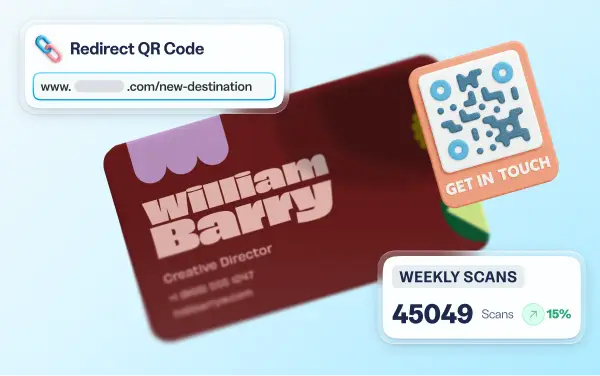
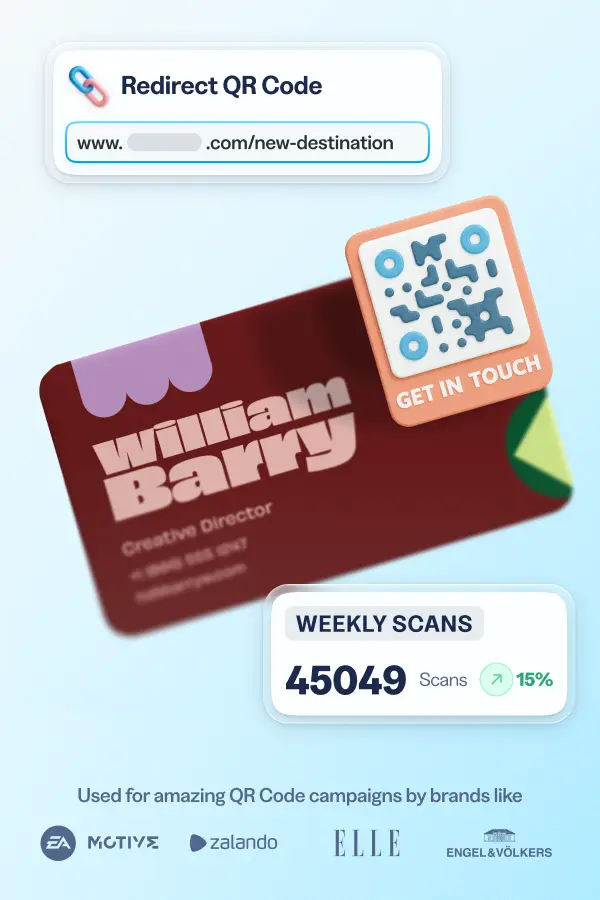
A Dynamic QR Code offers far more flexibility. It uses a short redirection URL. This means you can change the destination of the link at any time without altering the physical appearance of the code. You can also track scan data with Dynamic QR Codes. You will know how many people scanned your code, when they scanned it, and what type of device they used. For a business owner who wants to optimize their marketing and operations, Dynamic QR Codes are the superior choice.
Key benefits of QR Codes
Integrating QR Codes into your laundromat offers advantages that go well beyond just looking modern. They solve real operational problems.
- Enhanced Convenience: Customers can pay, learn, and connect instantly using the device already in their hand.
- Operational Efficiency: You can reduce the time staff spend answering basic questions or fixing user errors.
- Cost Savings: QR Codes eliminate the need for printing expensive brochures or installing complex hardware kiosks.
- Data Insights: Tracking scans helps you understand customer behavior and machine usage patterns.
- Contactless Safety: In a health-conscious world, reducing physical touchpoints on payment terminals or shared manuals puts customers at ease.
10 Practical ways to use QR Codes in your laundromat
You can deploy QR Codes across almost every aspect of your business. Let’s look at ten practical ways to use them to improve your laundromat operations and customer experience.
1. Streamline payments and receipts
The days of the coin changers are fading. Managing quarters is a hassle for you and your customers. You have to collect, count, and deposit heavy bags of coins. Customers have to find cash and hope the change machine works.
You can use QR Codes to facilitate seamless digital payment. Many third-party laundry payment platforms provide mobile portals. You can generate a QR Code that links directly to a secure payment page for a specific machine. The customer scans the code on Washer #4, selects their cycle, and pays via Apple Pay, Google Pay, or a credit card.
This system creates a frictionless transaction. It also allows you to offer digital receipts instantly via email or text. You reduce the risk of theft and vandalism associated with coin boxes. Plus, you save hours of labor previously spent counting cash. Use a Dynamic URL QR Code for this purpose so you can reroute the payment gateway if you ever switch providers without scraping stickers off every machine.
2. Provide easy access to machine instructions
Modern laundry machines often have complex settings. Customers may struggle to understand the difference between “Permanent Press” and “Delicates” or figure out how much detergent to use. This confusion leads to user error, overloaded machines, and unhappy customers with ruined clothes.
You can help prevent these issues by providing step-by-step video instructions with QR Codes or linking to a clear PDF guide. A video QR Code is particularly effective here. A thirty-second clip showing exactly how to load the washer and select the right cycle prevents mistakes before they happen.
This approach reduces the burden on your staff. Attendants can focus on cleaning or handling wash-and-fold orders instead of explaining how to start a dryer for the tenth time that day. It empowers customers to help themselves and feel confident using your equipment.
3. Promote specials, loyalty programs, or referrals
Marketing a laundromat can be tricky. You want to encourage repeat visits and build a loyal customer base. Building a loyalty program through QR Codes is simpler than you might imagine.
You can create a “Scan for Rewards” campaign. Place QR Codes on your signage, folding tables, or even on the receipts. Link this code to a digital coupon for their next visit or a sign-up form for your loyalty program.
Use a Dynamic QR Code for your promotions. This approach allows you to rotate your specials weekly or monthly without changing the printed materials. One week, the code could offer “Free Soap with Every Wash,” and the next it could offer “10% Off Large Loads on Tuesdays” to keep your marketing fresh and engaging. You can also use QR Codes to streamline referral programs by linking to a pre-filled message that customers can send to friends.
4. Collect customer feedback and reviews
Your online reputation determines whether a new customer chooses your laundromat or the one down the street. However, happy customers rarely think of leaving a review on their own. You have to ask them when they are most satisfied.
Place a QR Code for reviews near the exit or on your folding tables. Use a call to action like “Tell us how we did!” Link this code directly to your Google Business Profile review page or a short satisfaction survey.
This setup makes the process effortless by removing the steps of finding your business online and navigating to the review section. You can even incentivize feedback by linking the code to a contest entry for free laundry services. Immediate feedback also alerts you to issues like broken machines or cleanliness problems, so you can fix them before they damage your reputation.
5. Track machine maintenance logs
QR Codes are not just for customers. They are powerful tools for internal management. Keeping track of maintenance for dozens of washers and dryers is a logistical challenge. It’s easy to lose or damage paper logs.
You can assign a unique QR Code to every machine in your facility. When a technician or staff member performs maintenance, they scan the code to access a digital log. They can record the date, the specific repair performed, and any parts used.
Once you understand how to use QR Codes for maintenance history, you can digitize all incident tracking. If a machine breaks down, an attendant can scan the code to report the issue immediately, and the owner or manager receives a real-time notification. This system ensures accountability and helps you identify machines that break frequently so you can decide when to replace them. It minimizes downtime and keeps your revenue-generating assets running.
6. Share WiFi access or facility information
Laundry takes time. Your customers may sit in your facility for an hour or two while they wait. They want to scroll through social media, get work done, or watch videos. Offering free Wi-Fi is a standard expectation, but sharing the password can be annoying. Customers regularly interrupt staff to ask for it, and they may struggle to type in complex passwords correctly.
You can print a Wi-Fi QR Code and display it prominently on your walls. When a customer scans this code, their smartphone automatically joins your network. They do not need to type a single character.
You can also use QR Codes to link to a digital facility guide. This guide could include your hours of operation, restroom codes, or rules regarding unattended laundry. It’s a small touch that makes your environment feel more professional and welcoming.
7. Highlight additional laundry services
Many laundromats offer more than just self-service machines. You might provide wash-and-fold, dry cleaning drop-off, or commercial laundry services. However, self-service customers often ignore the signage behind the counter.
You can use QR Codes to cross-sell these services directly at the machine. Place a sticker on the washers that says “Too busy to wait? Scan to schedule a pickup.” Link this code to your service menu and pricing list.
This strategy targets customers exactly when they are feeling the pain of doing their own laundry. A customer waiting for a cycle to finish is the perfect prospect for your wash-and-fold service. You can also link to an order status page so customers can track their drop-off orders without calling the front desk.
8. Showcase machine availability
Nothing frustrates a customer more than hauling three bags of laundry to your store only to find every machine full. While it requires integration with smart laundry systems, QR Codes can be the gateway to this real-time data.
You can place a QR Code in your store window or on your front door. Customers can scan it to view a live dashboard of machine availability. They can see exactly how many open washers and dryers you have before they even haul their baskets inside.
If your facility is full, the link can suggest the best times to return based on historical data. This manages traffic flow and prevents overcrowding during peak hours. It shows you value your customers’ time and helps distribute usage more evenly throughout the day.
9. Simplify staff training
Turnover is a reality in the retail and service industries. Training new attendants takes time and energy. You can use QR Codes to create an on-demand training library for your employees.
Place discrete QR Codes in employee-only areas, such as the supply closet, the break room, or behind the service counter. Link these codes to PDF manuals or training videos. A code on the chemical dispenser could link to a video on how to refill it safely. A code on the POS system could link to a troubleshooting guide for common errors.
This approach ensures that staff always have access to the correct procedures even when a manager is not on-site. It helps maintain consistency in how staff clean and operate your laundromat. It also empowers new hires to learn independently and solve problems on their own.
10. Share tutorials and sustainability tips
Sustainability is increasingly important to consumers. You can position your laundromat as an eco-friendly business by educating your customers.
Create QR Codes that link to blog posts or videos about sustainable laundry practices. You could share tips on washing with cold water to save energy, using the right amount of detergent to protect local waterways, or removing tough stains without harsh chemicals.
You can place these codes near your soap vending machines or on the washers themselves. This adds value to the customer experience by helping users better care of their clothes and the environment. It builds a brand image that goes beyond just renting out machines.
How to get started with QR Codes
Implementing this technology is straightforward. You do not need to be a tech wizard. Follow these five steps to launch your QR Code strategy.
Step One: Identify the most valuable use cases
Do not try to do everything at once. Look at your specific business and identify the biggest friction points. Is your staff overwhelmed with questions about how to use the dryers? Start with instruction video codes. Is coin collection your biggest headache? Start with payment codes.
Walk through your laundromat as if you were a customer. Notice where you stop, where the process is confusing, or where you have to wait. These are the perfect opportunities for QR Code integration.
Step Two: Choose a reliable QR Code generator
You need a platform that offers control, security, and scalability. Free online tools often create codes that expire or display ads. For a business, you need a professional solution. For the best results, check out QR Code Generator PRO.
You need a generator that supports Dynamic QR Codes. You will likely want to update your links, change your promotions, or fix a typo in your PDF guide link eventually. Dynamic codes allow you to do this without peeling stickers off fifty washing machines. Look for a platform that offers QR Code landing pages so you can build mobile-friendly pages even if you do not have a website.
Step Three: Customize QR Codes to reflect your brand
A black and white square looks generic and can seem suspicious. You want your customers to trust each code enough to scan it.
Customize your QR Codes to match your laundromat’s branding. Add your logo to the center. Use your brand colors for the pattern and eyes. Add a frame with a clear call to action like “Scan to Pay” or “Watch Tutorial.”
Keep the design clean. Over-customization can sometimes make the code hard to scan. Ensure there is enough contrast between the code and the background.
Step Four: Test before printing and launching
QR Code testing is essential. You must verify that your codes work before you spend money on printing. A broken link frustrates customers and destroys trust in your new system.
Print a sample of your code. Scan it with an iPhone. Scan it with an Android device. Scan it in bright light and in dim light. Make sure the landing page loads quickly and looks good on a mobile screen. Ask your staff or a friend to try it out. If they struggle to scan it or understand what to do, you need to adjust your design or placement.
Step Five: Print, place, and promote strategically
Use high-quality materials for your final prints. Laundry environments are humid and machines get hot. Paper stickers will peel and fade. Use vinyl or laminated stickers that can withstand the environment.
Place the codes where they are most useful. A payment code belongs on the coin slide or control panel. An instruction code belongs at eye level. A Wi-Fi code belongs on the wall in the waiting area.
You also need to tell people what the codes do. Put up signage announcing your new features. “New! Scan to Pay with Your Phone” or “Need Help? Scan for Video Guide.” You have to train your customers to look for and use the codes.
Best practices for QR Code success
To get the most out of your new strategy, you should follow a few technical QR Code best practices.
- Keep it Simple: Ensure your landing pages are mobile-optimized. No one wants to pinch and zoom to read a PDF on a tiny screen.
- Clear Call to Action: Tell the customer exactly what will happen when they scan. “Scan for Menu” is better than just a code with no label.
- Size Matters: Make sure the code is large enough to scan from a comfortable distance. A code on a wall poster needs to be larger than a code on a machine sticker.
- Update Regularly: If you use codes for promotions, ensure the offers are current. Nothing is worse than scanning a code for a coupon that expired three months ago.
- Monitor Data: Use the analytics from your QR Code generator. See which codes customers scan the most. If no one is scanning your feedback code, try moving it to a different location or changing the call to action.
Common mistakes to avoid
Even with the best intentions, QR Code mistakes can hurt adoption.
- Broken Links: Using Static codes and then changing your website creates a dead end. Always use Dynamic QR Codes for long-term placement.
- Poor Placement: Placing a code behind a machine door or in a dark corner makes it impossible to scan.
- Low Quality Printing: Blurry or pixelated codes will not read. Use high-resolution files.
- Ignoring the User Experience: Linking to a desktop-only website frustrates mobile users. Always think about the person standing in your laundromat with a phone in their hand.
- Lack of Context: A QR Code without text is a mystery box. Most people will not scan it. Always provide context.
Embrace the digital laundry revolution with QR Code Generator PRO
The laundry industry is evolving. Customers demand speed, convenience, and digital integration. You do not need a massive budget to meet these expectations. QR Codes offer a powerful, flexible, and cost-effective way to modernize your laundromat.
QR Code Generator PRO gives you the tools you need to create a professional, seamless digital experience. You can generate custom branded codes, manage them all in one dashboard, and track real-time analytics to see what is working. You can update your links instantly and ensure your business stays ahead of the curve. You have the power to turn a chore into a smooth, hassle-free experience.
Start transforming your business today. Sign up for QR Code Generator PRO and discover how simple modernization can be.

QR Code Generator
Your all-in-one QR Code marketing platform
Now you can fully customize your QR Codes with your brand colors and company logo, get scan statistics, and even edit the content after print.