QR Codes for Dieticians: Ways to Support and Grow Your Practice
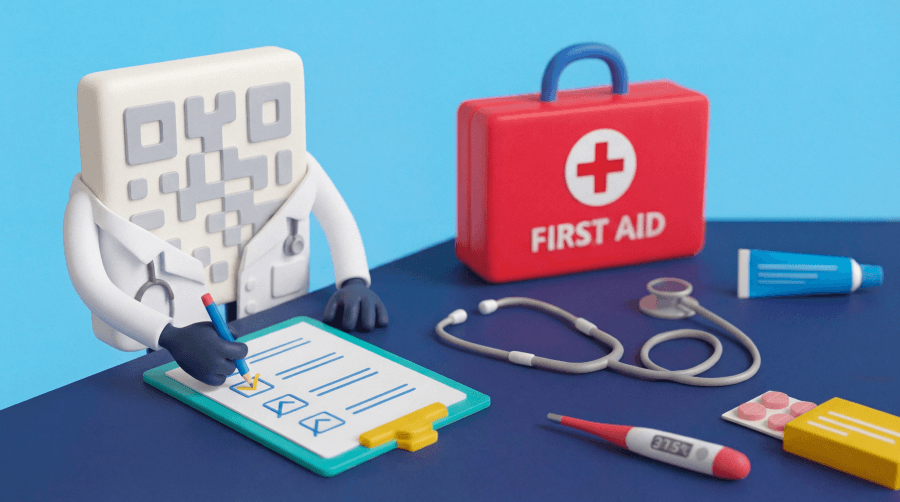
Dieticians help clients build healthier habits through clear guidance, personalized diet plans, and consistent support. That work gets harder when meal plans live on paper, resources hide in old emails, and follow-ups depend on manual reminders.
QR Codes create a simpler path. With one quick scan, clients can open meal plans, recipes, booking pages, or feedback forms on their smartphones. You make support easier to access, and clients get the right resource right when they need it.
This guide covers practical ways dietitians, nutritionists, and wellness professionals can leverage QR Codes to support clients, improve communication, and grow a modern practice, all while adhering to guidelines from bodies such as the FDA on food labeling and other compliance issues.
Note: The brands and examples discussed below were found during our online research for this article.
Key takeaways
- QR Codes help dieticians connect printed materials, such as meal plans, brochures, and office signage, to interactive digital resources that clients can access instantly with a smartphone.
- By linking to meal plans, recipe libraries, progress trackers, or educational content, QR Codes support clearer guidance and help clients stay engaged between consultations.
- QR Codes can also help nutrition professionals grow their practices by simplifying appointment booking, collecting feedback, and sharing expertise through accessible resources.
- Dynamic QR Codes allow dieticians to update meal plans, educational materials, or resource links without reprinting physical materials, saving time and reducing paper waste.
- When used thoughtfully, QR Codes create a more accessible and connected client experience, making it easier for wellness professionals to deliver personalized guidance and build lasting relationships.
How QR Codes support modern dietician practices
Dietitians work across clinics, wellness centers, gyms, and virtual settings within the broader healthcare landscape. In every environment, you need to share guidance in a way that feels simple and easy to follow.
That creates a few common challenges:
- Meal plans change often.
- Clients need trusted resources between sessions.
- Printed handouts go out of date fast.
- People lose track of important links.
QR Codes solve those problems by connecting physical touchpoints to mobile-friendly content. A code on a handout, brochure, intake packet, or sign can send clients straight to what they need. That might mean a meal plan, a recipe page, a scheduling link, or a progress form.
You still provide the expertise and the human support. QR Codes simply make your guidance easier to reach.
Ways dieticians can use QR Codes to support clients
The best QR Code strategies fit into interactions you already have with clients. They help people stay informed and connected between appointments.
Share personalized meal plans and nutrition guides
Printed plans still matter because clients like something they can take home and review. A QR Code makes those materials more useful.
You can link a handout to a digital meal plan, grocery guide, recipe collection, ingredient list, or other vital nutrition information, including details on carbohydrates, as well as a meal prep checklist. When dietary recommendations change, you can update the linked resource and keep the same code in use. This approach helps clients follow current guidance without hunting through old files.
Provide step-by-step food preparation and cooking guidance
Many clients need more than written instructions. They want to see how a recipe comes together or how portion guidance looks in real life.
A QR Code can open short videos, cooking demonstrations, or meal prep walkthroughs right from a printed plan. Step-by-step video instructions with QR Codes can turn static guidance into a more engaging learning experience.
Simplify appointment scheduling and clinic check-in
QR Codes can also reduce administrative friction. Place them on office signage, reminder cards, intake packets, or your email signature, and clients can jump straight to booking or check-in. QR Codes for appointment check-in enable scan-first workflows, creating a smoother experience for both clients and staff.
Collect client feedback and progress updates
Feedback helps dieticians refine guidance and spot issues sooner, ensuring clients stay on track with their health goals. A QR Code can link clients to a progress form where they share meal feedback, nutrition goals, or common obstacles between visits.
You can also collect quick session feedback after appointments. QR Code survey touchpoints provide a smart model for gathering insight without adding friction.
Reduce paper while keeping resources accessible
Nutrition practices often distribute many handouts. QR Codes help you cut that volume while keeping resources easy to access.
You might share a short printed summary and then link clients to a larger resource library with recipes, FAQs, and educational materials. QR Codes for saving paper support both efficiency and sustainability.
Using QR Codes to attract and onboard new clients
QR Codes also help you grow your practice. They connect offline marketing materials to digital actions that new clients can take right away.
A flyer at a gym can link to your consultation page, or even your social media profiles. A poster at a wellness event can open a free nutrition guide. A brochure at a local health store can send people to your services page. Each scan removes a step, making engagement feel easier.
Business cards offer a strong example. Instead of asking someone to remember your name and search later, you can guide them straight to your introduction page, service overview, or booking link. Using QR Codes for business cards provides the type of instant access that can strengthen first impressions and encourage follow-up.
Best practices for implementing QR Codes in nutrition services
Start with a clear call to action. Tell clients exactly what will happen when they scan. Phrases like “Scan for your meal plan” or “Scan to book a consultation” work well. The right call-to-action QR Codes can help encourage users to scan at the first opportunity.
Next, make sure the code is large enough to scan from the expected distance. Our guide to minimum QR Code size can help you choose a practical size for posters, handouts, or signage.
You should also use high color contrast, test every code on multiple devices, and make sure the linked page works well on a phone. The process of QR Code testing ensures you catch issues before clients ever see them.
If a QR Code opens a form or survey, explain what information you collect and why. Use secure HTTPS pages and ask only for details that support care and communication.
Why Dynamic QR Codes are ideal for dieticians and wellness professionals
Static QR Codes point to fixed content. If you need to change the link later, you need a new code.
Dynamic QR Codes give you more flexibility. You can update the destination without replacing the printed material. This setup makes them ideal for dieticians who refresh meal plans, expand recipe libraries, or adjust educational resources over time.
Dynamic QR Codes also help you track engagement metrics. You can see which resources attract scans and which touchpoints drive action. That insight helps you improve client communication and make smarter decisions about future materials.
Turning nutrition guidance into connected experiences
Dieticians guide people through daily decisions that shape long-term health, helping them improve their eating habits. QR Codes help you support those decisions in a way that feels immediate and easy to use. You can connect printed materials to digital guidance, simplify booking, and keep valuable resources within reach.
QR Code Generator provides all the tools you need to roll out these solutions in your own practice. Our easy-to-use interface makes it simple to get your own QR Code program up and running with no developer overhead.
Are you ready to add flexibility to how you share nutrition resources and support client engagement? Sign up with QR Code Generator to start creating Dynamic QR Codes for your practice.
FAQs
How can dieticians use QR Codes in their practice?
Dietitians can place QR Codes on meal plans, handouts, business cards, or office signage to link clients to recipes, educational resources, appointment-booking pages, or progress surveys. This makes it easier for clients to access guidance instantly without searching for links or documents.
Can QR Codes help nutrition professionals support clients between appointments?
Yes. QR Codes allow dietitians to share ongoing resources such as recipe libraries, meal-preparation videos, or nutrition-education articles. By scanning a code from printed materials or emails, clients can quickly revisit guidance and stay engaged with their nutrition plan.
Do clients need a special app to scan QR Codes?
Most modern smartphones include built-in QR Code scanning through the device’s camera. Clients simply open their camera, point it at the code, and tap the link that appears. This makes QR Codes widely accessible without requiring additional downloads.
Are QR Codes secure for sharing nutrition resources?
QR Codes themselves are simply a method of linking to digital content. Security depends on the destination. When dieticians link to secure HTTPS pages and trusted platforms, QR Codes provide a safe and convenient way to share resources with clients.
What is the difference between Static and Dynamic QR Codes?
Static QR Codes contain fixed information and cannot be edited once created. Dynamic QR Codes use a redirect link that can be updated later. This allows dieticians to change resources, update meal plans, or track engagement without printing a new QR Code.

QR Code Generator
Your all-in-one QR Code marketing platform
Now you can fully customize your QR Codes with your brand colors and company logo, get scan statistics, and even edit the content after print.
