Everything You Need To Know About QR Codes for Augmented Reality
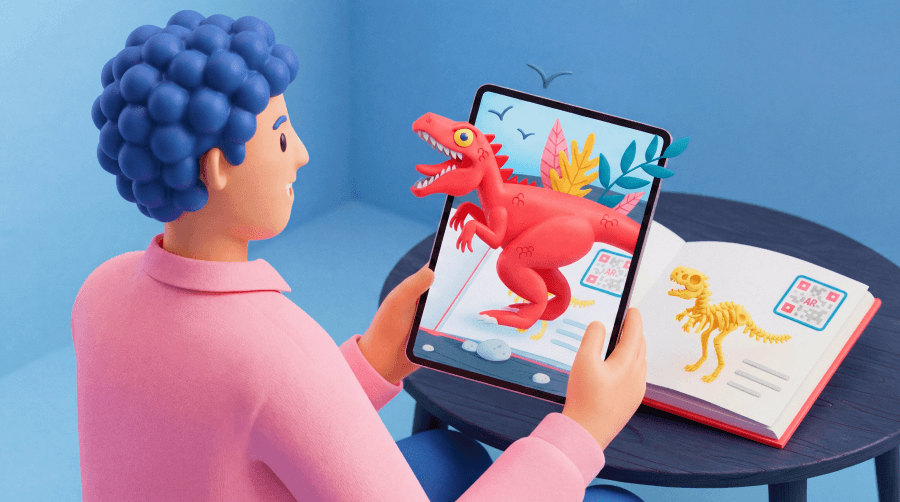
Augmented reality is absolutely no longer a futuristic concept. It actively powers everyday marketing campaigns, vital education initiatives, busy retail environments, and modern product experiences right now. The familiar QR Code serves as an incredibly reliable bridge connecting static physical spaces directly to highly immersive digital worlds. When you intentionally combine these two powerful tools, QR Codes for augmented reality create completely frictionless entry points into deeply engaging experiences. Your users do not need complex hardware or frustrating app downloads to participate.
This comprehensive guide explores exactly how an AR QR Code effectively triggers augmented reality content. We will explain the robust technology behind WebAR, thoroughly explore modern use cases across various demanding industries, and clearly reveal exactly how Dynamic QR Codes support flexible, long-term AR campaigns. Augmented reality experiences can be highly accessible, completely scalable, and accurately measurable, especially when you implement the correct QR Code strategy.
Note: The brands and examples discussed below were found during our online research for this article.
Key takeaways
- QR Codes for augmented reality act as remarkably simple, highly scannable triggers that seamlessly connect physical materials, like product packaging, retail signage, or event tickets, directly to immersive digital experiences in a mobile browser or AR-compatible environment.
- Web-based augmented reality (WebAR) allows many exciting AR experiences to launch instantly without ever requiring users to download a dedicated app, which significantly reduces friction and drastically improves overall brand engagement rates.
- Dynamic QR Codes give innovative businesses the incredible flexibility to update AR destinations, accurately test marketing campaigns, and clearly track scan performance completely without reprinting any physical materials.
- AR-powered QR Campaigns successfully enhance interactive marketing, deep product education, corporate training, customer onboarding, and live events by making static print media fully interactive and highly measurable.
- With thoughtful design and highly reliable hosting, you can expertly deliver scalable, low-to-medium volume AR solutions perfectly without facing any frustrating enterprise-level complexity.
What are QR Codes for augmented reality?
QR Codes for augmented reality operate the same as standard QR Codes, they just specifically act as rapid triggers to launch AR content. These codes quickly unlock exciting 3D models, vivid animations, fun face filters, or deeply immersive product demos. The pixelated QR Codes themselves do not “contain” the massive AR experience data. Instead, the code securely links the user directly to a web-based AR platform or a special AR-enabled app that renders digital content directly over the user’s real-world view.
This model significantly lowers technical barriers to entry. Users simply scan a code using their Android or iOS smartphone camera, and the interactive content loads instantly through the mobile browser or a compatible AR system.
Some QR Codes directly launch WebAR, which delivers browser-based AR experiences instantly without extra steps. Other QR Codes strategically deep-link users directly into dedicated AR applications.
How QR Codes trigger AR experiences
It’s easy to understand the seamless step-by-step process that brings augmented reality content to life. Let’s break down exactly how this impressive functionality works to create truly immersive AR moments.
- A QR Code generator creates the unique code and links it to a specific AR-enabled URL.
- You print or display the QR Code prominently on physical materials, business cards, or other media.
- A curious user quickly scans the code using a standard smartphone camera.
- The mobile browser opens immediately and loads your engaging AR content.
- The underlying AR framework securely accesses the mobile device camera and the internal motion sensors.
- The platform renders the digital content into the user’s device’s view of the real environment.
Many modern AR campaigns rely heavily on WebAR technology. This approach eliminates the frustrating need for bulky app downloads. Lower friction can consistently improve overall audience participation, especially across fast-paced marketing, tactile packaging, and exciting live event settings.
Types of AR experiences launched by QR Codes
You can trigger multiple distinct forms of augmented reality experiences depending entirely on your specific campaign goals. Smart brands enthusiastically use these exciting options to elevate their daily customer interactions.
3D product visualization
QR Codes are a great way to launch highly interactive 3D product models. Users can smoothly rotate these 3D models, resize them dynamically, and place them accurately, right in their physical environment. Great use cases include vivid furniture previews, engaging consumer electronics demos, and comprehensive machinery walkthroughs. This hands-on visualization strongly supports highly informed purchasing decisions and transforms the traditional in-store experience.
Animated packaging and print activations
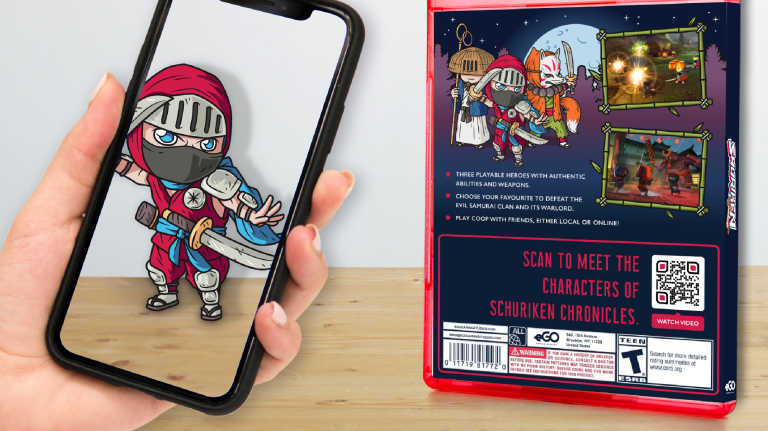
Static product packaging, colorful posters, or traditional magazine ads can literally “come to life” when a customer scans them. Brands frequently use thrilling overlays such as exciting animated characters, helpful explainer videos, and interactive product highlights. This clever approach beautifully blends physical storytelling directly with rich digital engagement.
AR portals and immersive environments
QR Codes can magically open immersive environments right on the user interface. These incredible digital worlds seamlessly include virtual showrooms, stunning destination previews, or interactive event spaces rendered flawlessly through the user’s mobile device. Portal experiences brilliantly support creative advertising campaigns, robust tourism promotion, and thrilling experiential marketing efforts.
Face filters and social sharing experiences
Marketers frequently use QR Codes to trigger AR face filters or unique camera effects. These fun visual tools actively encourage immediate social media sharing among highly engaged users. This strategic approach supports organic brand visibility and can successfully generate highly valuable user-generated content across various social platforms.
Modern use cases for QR Codes in augmented reality
Ambitious brands leverage this technology in countless innovative ways. Let us explore several modern, highly practical examples that actively define successful interactive marketing in 2026.
Marketing and advertising
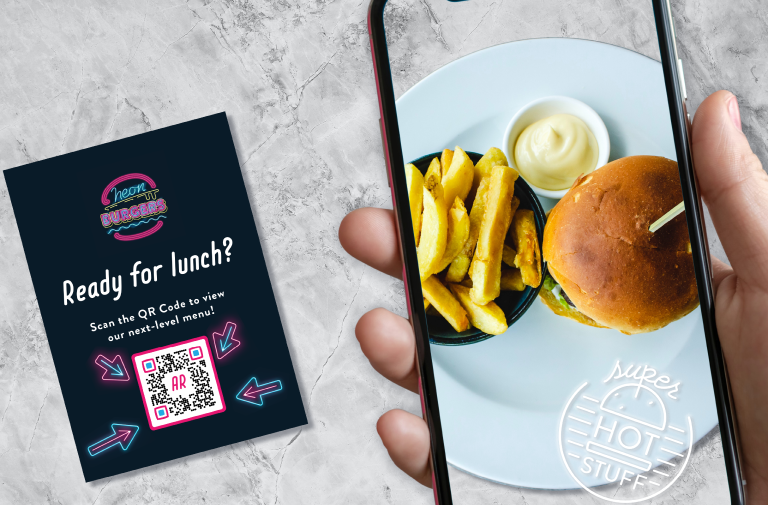
QR Codes for augmented reality can significantly enhance diverse advertising initiatives. They boldly elevate massive out-of-home campaigns, clever influencer packaging tie-ins, tactile direct mail experiences, and dynamic interactive storefronts. The right QR Code implementation can really boost your campaign’s measurable offline-to-online engagement. While augmented reality is only a small portion of the growing QR Code advertising scene, many businesses are starting to recognize its value.
Product packaging and storytelling
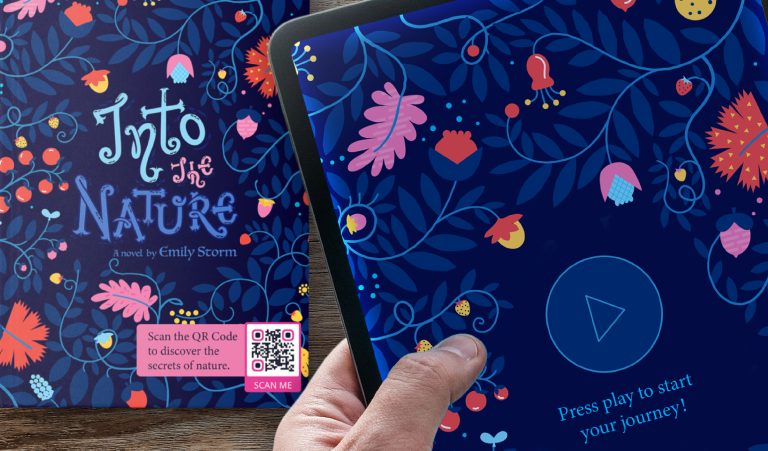
Retailers and consumer brands use AR QR Codes to share compelling narratives directly from the retail shelf. These codes are ideal for highlighting detailed sustainability sourcing stories, providing clear ingredient transparency facts, delivering intuitive assembly instructions, and offering secure product authentication experiences. This forward-thinking strategy embraces incredible long-term flexibility for your continuously evolving corporate disclosures.
Events and experiential engagement
AR QR Codes can significantly enhance live events by powerfully upgrading standard physical touchpoints. Event organizers feature them prominently on attendee event badges, busy booth displays, vibrant stage backdrops, and essential venue signage. Attendees can then easily unlock 3D schedules, exciting speaker previews, or helpful interactive maps. Event engagement QR Codes provide the perfect balance of end-user convenience and event organizer data collection, enabling the type of regular, data-driven iteration that allows events to grow better and better over time.
Memorials and legacy storytelling
AR QR Codes can add profound digital storytelling layers to physical memorial spaces. They gracefully deliver touching life timelines, beautiful memorial videos, or highly interactive personal tributes right at the physical site. You can discover more about exactly how families thoughtfully honor loved ones by reading about using QR Codes on memorials.
Training and equipment guidance
Industrial teams strategically place AR QR Codes directly on complex machinery, specialized tools, or detailed product labels. These intelligent codes can then instantly launch guided AR instructions or critical safety overlays. This highly effective method of information dissemination can provide massive operational efficiency gains and reduce frustrating onboarding friction for new employees.
Static vs Dynamic QR Codes for AR campaigns
Not all QR Codes provide the exact same operational flexibility. It’s important to understand the crucial technical distinction between Static QR Codes and Dynamic QR Codes when planning your augmented reality QR Code setup.
Static QR Codes
Static QR Codes permanently embed a fixed URL directly into the pixel pattern. This rigid format means you cannot edit the destination after you finish making the code. Static QR Codes also provide zero built-in scan analytics for your marketing team. They remain suitable only for highly permanent AR experiences. If your AR platform URL changes for any reason whatsoever, you must reprint all your physical materials, which can be incredibly expensive. The primary upside of Static QR Codes is that they don’t rely on a third-party redirect service, so they can’t expire.
Dynamic QR Codes
Dynamic QR Codes store a remarkably short redirect link instead of the massive final AR destination URL. This clever, highly efficient setup offers immense operational benefits: You can easily and completely update AR experiences without reprinting any physical materials. You can confidently and rapidly A/B test different AR destinations. You can securely track exact scan performance and closely monitor user engagement by specific time and geographic location.
Dynamic QR Codes are ideal for continuously evolving AR campaigns, fast-paced seasonal promotions, and exciting pilot programs. You might worry that using a redirect URL could cause your codes to expire, but expiration depends entirely on your specific platform configuration, not the core QR technology itself. Most platforms offer unlimited scans, and make expiration an optional feature you can employ only if it’s useful for your specific AR application.
Best practices for launching AR with QR Codes
You want your digital experiences to feel magical, highly intuitive, and completely seamless. Follow these highly practical recommendations to help guarantee absolute campaign success.
It’s important to strictly prioritize high visual contrast and sufficient physical size for your codes. If your customers can’t see the code clearly, neither can their phones. You need to actively maintain a clear quiet zone around the edges to ensure rapid scanning. Always include extremely clear call-to-action text near the code, such as “Scan to view in AR,” so your users know exactly what to expect before they act.
Your code should flawlessly link to mobile-optimized AR landing pages and fast-loading AR assets. Slow load times can instantly kill your brand engagement. It’s also important to rigorously test your complete experience across multiple iOS and Android smartphones to ensure total compatibility.
Finally, robust, secure hosting stability guarantees your long-term campaigns function perfectly over many months. Immersive technology should always feel exceptionally simple and inviting, never confusing or overwhelming.
Unlock immersive AR campaigns with QRCG
While sophisticated AR rendering inherently involves highly advanced technology, launching it through a QR Code augmented reality trigger should feel incredibly straightforward for your team. QR Code Generator supports your ambitious marketing efforts by offering both Static and Dynamic QR Codes. Our powerful platform provides instant real-time editing capabilities, deep scan analytics, perfectly organized campaign management, and exceptionally reliable hosting support.
QR Code Generator is especially well-suited for your important low-to-medium volume AR campaigns. Our platform routinely delivers the flexible agility, strict branding control, and vital long-term reliability your business needs, without forcing you to navigate any frustrating enterprise complexity.
Take your print media and standard product packaging to the absolute next level today. Get started with QR Code Generator now, and empower your entire team to confidently create AR-ready QR Codes.
FAQs
How do QR Codes work with augmented reality?
QR Codes securely link eager users to an AR-enabled web page or a dedicated application. When someone enthusiastically scans the code using their smartphone, the provided link opens instantly in their browser. It then seamlessly loads rich digital content that magically overlays their real-world view by utilizing the device camera and internal motion sensors.
Do users need to download an app to access AR through a QR Code?
Not always. Many incredibly modern marketing campaigns utilize Web-based augmented reality (WebAR), which launches perfectly directly in a mobile browser immediately after scanning a QR Code. However, some highly advanced or extremely complex experiences may still require a dedicated app, depending entirely on the specific design and your chosen hosting platform.
Can I update my AR experience after printing the QR Code?
Yes, you absolutely can, provided you actively utilize a Dynamic QR Code. Dynamic QR Codes cleverly allow you to freely edit the final destination link anytime without ever changing the physical printed code. This robust functionality makes them completely ideal for continuously evolving marketing campaigns or exciting seasonal updates.
Are QR Codes for augmented reality secure?
The QR Codes themselves simply function as highly scannable links. Real digital security depends entirely on the specific platform hosting the AR experience and exactly how you actively manage the destination link. Utilizing a highly reputable QR Code generator and a highly secure hosting environment strongly helps you protect valuable user trust and brand integrity.
What industries benefit most from QR Codes for augmented reality?
The busy retail, aggressive marketing, vibrant events, vital education, robust tourism, heavy manufacturing, and fast product packaging industries frequently use AR QR Codes. These diverse sectors proudly leverage the powerful technology to dramatically enhance brand engagement, significantly improve deep product education, and successfully connect static physical materials to highly measurable digital experiences.



QR Code Generator
Your all-in-one QR Code marketing platform
Now you can fully customize your QR Codes with your brand colors and company logo, get scan statistics, and even edit the content after print.
