- Best Practices ●
- COVID-19 ●
- Industry Trends ●
- Partners ●
- Product ●
QR Codes on Memorials: Long-Term Storytelling Made Simple

Public memorials once told stories in stone and metal alone. Today, QR Codes turn these spaces into living archives that connect visitors, loved ones, and future generations through a simple scan. With one small code, you can link to biographies, videos, photo galleries, or digital guest books that deepen the meaning of each tribute.
In this article, you’ll discover how QR Codes help preserve history, invite community participation, and bring new relevance to cultural landmarks. We’ll explore creative examples of digital memorials, design and accessibility best practices, and practical upkeep tips that ensure your memorial QR Code stays meaningful and easy to manage for years to come.
Note: The brands and examples discussed below were found during our online research for this article.
-
Table of contents
- Why QR Codes are changing how we remember
- Creative ways to use QR Codes on public memorials
- Examples of QR-enabled memorials around the world
- Community storytelling through digital links
- Designing memorial QR Codes that last
- Planning for longevity and digital preservation
- Balancing accessibility, privacy, and community participation
- Making memorial content accessible to everyone
- Protecting sensitive or personal information
- Encouraging safe and inclusive community contributions
- Best practices for creating meaningful memorial QR Codes
- Preserve stories that stand the test of time with QR Codes
Why QR Codes are changing how we remember
Remembering someone or something has always been about storytelling. Now, QR Codes add a digital layer that makes those stories richer and more interactive. A single scan on a smartphone can unlock videos, photos, oral histories, or timelines that help visitors connect with a person’s life or a moment in history on a deeper level.
This approach bridges generations by blending physical remembrance with digital access. Historic landmarks, veterans’ memorials, and community heritage sites already use QR Codes to make information instantly available, turning passive observation into active discovery. From local museums to city-sponsored memorials, QR Codes are transforming how we preserve culture and invite future generations to experience history as a living story rather than a static plaque.
Creative ways to use QR Codes on public memorials
Public memorials are no longer limited to engraved names and dates. With a QR Code, a single plaque can open a digital memorial that grows richer over time. Many organizations link codes to short biographies, archived photo collections, or mini-documentaries that bring personal and historical stories to life.
Others use QR Codes to guide visitors through audio tours or augmented reality experiences that reveal how a site looked decades ago. Some even invite community members to share memories or contribute new stories through an online guest book or tribute page.
Because Dynamic QR Codes allow easy updates, content can evolve without ever replacing the plaque itself. You can add new interviews, photos, or milestones at any time, ensuring each memorial remains a living reflection of the community’s shared history.
Examples of QR-enabled memorials around the world
Around the world, QR Codes are giving memorials new life. In the UK, local heritage trails use QR Codes to connect walkers to oral histories. In the U.S., national park installations feature QR Codes that let users report issues to park administration. In Japan and elsewhere, museums use QR Codes near exhibits and cultural monuments to share immersive audio stories that honor artists, veterans, and community figures.
Each example of QR Codes in museums and art galleries reflects the same thoughtful intent: To preserve stories with care and cultural sensitivity while using technology to keep memories alive. These QR-enabled memorials show how digital tools can honor the past while remaining relevant for future generations.
Community storytelling through digital links
QR Codes invite communities to participate in remembrance rather than observe it. Through digital guest books, message boards, or memorial pages, visitors can share memories, post condolences, or upload photos that add depth to each tribute. With QR Code Generator PRO, linking a code to a webpage, online memorial, or gallery takes just a few clicks, with no custom development or complex content management system required.
This simplicity encourages more voices, keeps stories current, and turns every scan into an opportunity to connect, remember, and contribute to a shared digital legacy.
Designing memorial QR Codes that last
A well-designed memorial QR Code should stand the test of time, both physically and emotionally. Start with durable materials, like QR Code engraving on marble or laser-etched stainless steel plaques that resist weathering and wear. For outdoor memorials or gravestones, test placement in natural light to avoid glare and ensure easy scanning from typical visitor angles.
Design choices should remain subtle and respectful. Opt for a neutral color palette and a simple QR Code pattern that blends naturally with the memorial’s tone and surroundings. The goal is to complement the tribute, not distract from it.
By using Dynamic QR Codes, you can update code links to webpages, biographies, or digital memorial content at any time without altering the physical plaque. This flexibility keeps the memorial accurate, accessible, and meaningful for future generations. It’s especially important for family members considering a QR Code tattoo.
Planning for longevity and digital preservation
A memorial plaque’s meaning should endure for generations, both in its physical form and in its digital presence. Planning ahead ensures that the stories linked through your QR Codes remain available and well cared for over time. Start by keeping hosting consistent and URLs active. Avoid temporary domains and make regular checks to confirm that all linked webpages, videos, and photos still load properly.
Maintain backup copies of all media and written stories in secure cloud storage or an organizational archive. Assign multiple caretakers or team members to manage access so updates continue even as roles change.
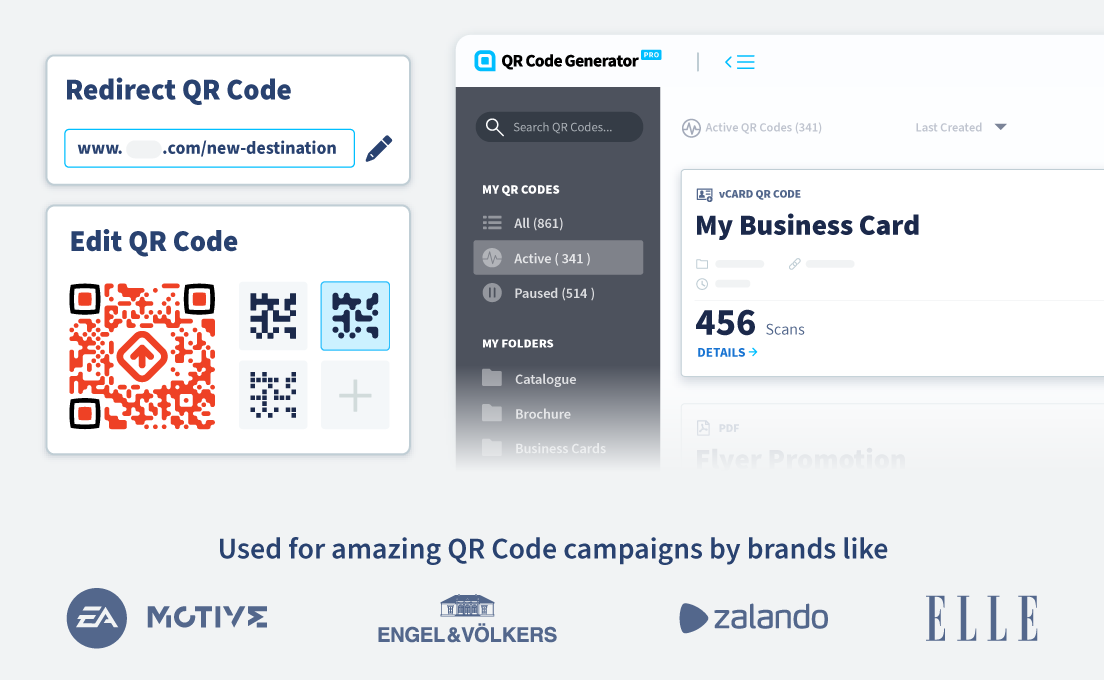
With QR Code Generator PRO, organizations can manage every memorial QR Code from one stable, user-friendly dashboard. It’s easy to edit destinations, add new content, and track engagement as projects expand, helping ensure every story remains part of the living record.
Balancing accessibility, privacy, and community participation
Digital memorials on headstones and grave markers honor shared histories and personal stories. Because they often blend public access with private memory, finding the right balance between openness, privacy, social media, and respectful presentation is essential. With thoughtful design and clear digital boundaries, organizations can create inclusive memorial experiences that welcome participation while protecting sensitive information.
Making memorial content accessible to everyone
Every visitor should be able to explore a digital tribute with ease. Use large, high-contrast QR Codes that remain scannable in all lighting conditions. Include alt text and captions for videos and ensure that each linked webpage or memorial site is mobile-friendly. Simple navigation, clear buttons, and readable text make the experience enjoyable for people of all ages and abilities.
Protecting sensitive or personal information
Public memorials sometimes include private family details or biographical data that deserve careful handling. Project owners can decide which content remains public and which stays private, such as by limiting access to certain photos or interviews. Instead of uploading personal files directly, link your QR Code to a central memorial page with built-in privacy settings to manage permissions safely.
Encouraging safe and inclusive community contributions
QR Codes open the door for visitors to share memories, photos, or reflections, but moderation matters. Use feedback forms, online guest books, or shared folders that allow submissions while keeping them appropriate and secure. With QR Code Generator PRO, it’s easy to link a code to contact pages or moderated forms that foster respectful participation without exposing personal data. This approach keeps digital memorials both interactive and dignified.
Best practices for creating meaningful memorial QR Codes
Thoughtful planning ensures every memorial QR Code honors its subject’s life story and serves visitors for years to come. Keep your linked content concise, mobile-friendly, and emotionally resonant. A brief biography, a few powerful images, or a short video often creates more impact than an overwhelming archive.
Maintain consistent naming and folder structures so your team can manage updates easily. On the physical plaque, include a clear label such as “Scan to learn more about this site” to guide visitors toward the digital experience.
Before installation, test each QR Code on multiple smartphones and check for smooth loading and accurate links. Revisit these tests periodically to confirm ongoing functionality. When gathering stories, photos, or condolences from community members, always seek transparency and consent to preserve trust and respect.
Preserve stories that stand the test of time with QR Codes
QR Codes make remembrance more than a moment; they make it an experience. By connecting physical memorials to living digital spaces, you can turn plaques, monuments, and cultural landmarks into interactive tributes that teach, inspire, and endure. Each scan becomes a doorway into stories that evolve with every new contribution or discovery.
The best memorial QR Codes bridge generations by keeping history accessible on any smartphone, inviting future visitors to explore and share in the legacy of those remembered.
Start preserving your community’s stories today with QR Code Generator PRO. Log in today to create your own memorial QR Code that honors the past and inspires the future.


 Add custom colors, logos and frames.
