

Easy Access to Maintenance Logs and Manuals With QR Codes
4 Innovative Ways to Use QR Codes on Product Labels
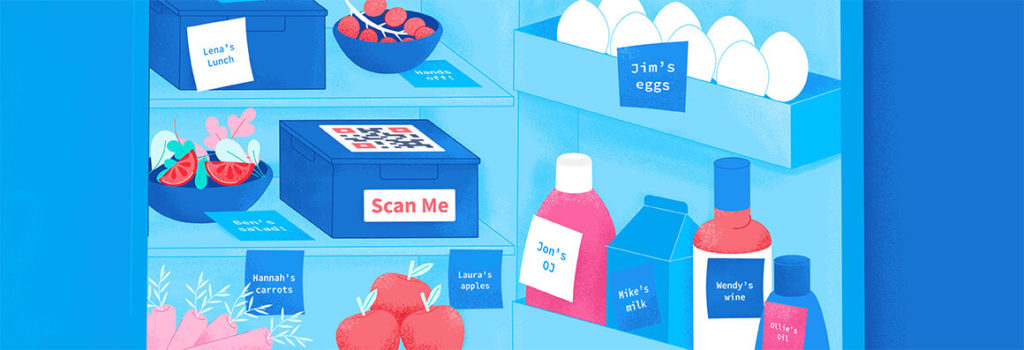
Product packaging used to be a dead end. A customer would buy an item and throw the box away. That dynamic has changed completely. Smart labels now turn every physical product into a digital portal. You can use QR Codes on product labels to guide customers to tutorials, unlock loyalty rewards, or share your sustainability story with a single scan.
We see brands across every industry rethinking the role of the product label. It no longer serves just to display legal text or ingredients. It acts as an always-on engagement channel that connects your customer to your brand long after checkout.
This guide explores creative use cases for QR Code labels. We will show you how to upgrade your customer experience, capture valuable insights, and turn your product packaging into your hardest-working marketing asset.
Note: The brands and examples discussed below were found during our online research for this article.
Key takeaways
- QR Codes on product labels turn packaging into an interactive consumer engagement channel that extends the brand experience beyond the point of sale.
- Brands can use QR Codes for far more than ratings, including product education, loyalty programs, sustainability information, and reordering.
- Reducing friction is key to participation because the easier it is to scan and act, the more likely customers are to engage.
- Different QR Code destinations support different business goals, making it important to align each use case with a clear outcome.
- Dynamic QR Codes allow brands to evolve experiences over time without redesigning or reprinting product labels.
What are QR Codes on product labels?
QR Codes provide a seamless link between physical materials and digital content. With a quick scan via their smartphone camera, users can open a webpage, access an interactive experience, view a PDF, or connect to other digital resources.
Your QR Code strategy must align with your broader business objectives. A code pointing to a generic homepage rarely drives results. You need to choose a destination that triggers a specific outcome. Link to a tutorial video if your goal is education. Direct users to a signup form if you want to boost loyalty programs. Send them to a survey to capture real-time feedback. Every scan should serve a distinct purpose that moves your marketing campaigns forward.
Static vs Dynamic QR Codes
You generally have two options when you generate QR Codes: Static vs Dynamic QR Codes. Static QR Codes encode the destination URL directly into the pattern. You cannot change the link once you print it.
Dynamic QR Codes offer far more flexibility for product labels. They direct users to a short URL that redirects to the final destination. This structure allows you to update the landing page or content anytime without reprinting the label. You can fix a broken link or switch a seasonal promotion to a standard welcome page instantly. Most marketers prefer Dynamic QR Codes because they also provide tracking data to measure scanning and QR Code performance.
Why brands use QR Codes on product labels
Brands use QR labels to solve a fundamental problem: Losing touch with the customer after purchase. QR Codes keep the conversation going.
Adding digital connectivity to your product packaging builds credibility. Shoppers gain instant access to additional information that might not fit on a small box. You also gain access to first-party data. You can learn where and when customers use your product, which helps you refine your future marketing efforts.
Key benefits at a glance
- Improved post-purchase engagement: Keep customers connected to your brand ecosystem.
- Faster access to customer insights: Learn how people interact with your products in the real world.
- Increased trust and transparency: Prove your claims and show your supply chain journey.
- Brand credibility: Demonstrate that you have nothing to hide by sharing deep product details.
4 Engaging ways to use QR Codes on product labels
You can take your label design to the next level by focusing on utility and value. Here are four innovative strategies brands use to connect with customers.
1. Product education and how-to content
Complex products often frustrate new users. Customers lose paper manuals or find them hard to read. Brands use QR Codes to link directly to video tutorials, setup guides, or recipe ideas. For example, the LEGO Group now uses QR Codes to connect users with digital build instructions for some sets.
Imagine a customer buying a new smart home device. Instead of fumbling with a thick booklet, they scan the box to watch step-by-step video instructions. A food brand might link to a chef demonstrating a recipe using that specific ingredient. This approach reduces friction and lowers the number of support inquiries. You help the customer succeed immediately, which builds confidence in your product.
2. Loyalty programs and repeat purchases
The best time to encourage a second purchase is right after the first one. QR Codes connect customers instantly to loyalty programs, rewards sign-ups, or reordering flows. LEGO also uses this form of loyalty program through QR Codes, allowing users to claim reward points by scanning codes printed in set manuals.
You might place a code on a consumable product like coffee or vitamins. The customer scans it when they run low to order a refill instantly. Post-purchase moments serve as a massive, underutilized engagement opportunity. You turn a one-time buyer into a repeat customer by making the reordering process effortless.
3. Support sustainability and transparency
Modern shoppers care about where their products come from. Sustainability QR Codes allow you to share your sourcing story, certifications, recycling instructions, or impact reports without cluttering your design.
Skincare brand Cocokind puts QR Codes on its product boxes that link shoppers to more detailed sustainability information, including a deeper breakdown of the product’s footprint and packaging details.
A fashion brand might link to a page showing the factory that made each garment. A food company might show the farm that grew the produce. This transparency acts as a powerful differentiation tactic. You prove your commitment to sustainability and traceability, which builds deep trust with conscious consumers.
4. Enable feedback, ratings, and reviews
Customer feedback drives growth. However, most customers will not navigate to a website just to leave a review. Using a QR Code for reviews removes the barriers to leaving feedback.
Tripadvisor gives businesses free “Tripadvisor” stickers that include a custom QR Code. When customers scan the code, it takes them directly to that business’s Tripadvisor listing, where they can write a review.
You can use a QR Code to link directly to a review form or a customer satisfaction survey. Brands use this strategy to capture real-time sentiment. While ratings remain an important use case, they work best when part of a broader strategy. You might offer your customers a small discount on a future purchase in exchange for their thoughts.
How to choose the right QR Code experience for your product
You must think strategically before you start printing. The right QR Code experience depends on your specific product and audience. QR Codes for wine labels will likely link to very different things than product marketing QR Codes for tech companies.
Align your choice with your business goals. If you want to reduce returns, focus on education. If you want to increase customer lifetime value, focus on loyalty. Ask yourself these questions before implementation:
- What specific action do we want customers to take after scanning?
- When and where will customers interact with the product?
- How will we measure success?
How to create and implement QR Codes on product labels
Implementing smart labels requires a clear workflow. Follow these steps to ensure your QR Code labels perform perfectly.
Identify the scan destination
Decide where the code will lead. You might use a third-party platform or build a custom webpage. Ensure the destination is mobile-friendly. Shoppers scan with phones, so the experience must load fast and look great on a small screen. The destination informs the functionality and type of code you need.
Generate and customize your QR Code
Sign in to a professional QR Code generator like QR Code Generator PRO to create your code. Dynamic QR Codes work best for packaging because they allow for updates. Our platform lets you customize the design of your Dynamic QR Codes to match your brand. You can change the colors, add your logo, or use a custom frame to attract more scans.
Optimize placement and design
Visibility matters. Place the code where it is easy to spot and scan. Avoid placing it on folds, corners, or curved surfaces that might distort the image. Ensure the code has high contrast against the background and is large enough to scan. Test the code using multiple devices and in different lighting conditions to guarantee it is scannable.
Add a clear call-to-action
Tell people why they should scan. Users often ignore codes that don’t include context. Add a simple text frame that explains why users should engage, like “Scan for video guide” or “Scan for 10% off”. Benefit-driven call-to-action QR Codes align the scan with the customer’s needs and can drive significantly higher engagement.
Best practices for long-term success
QR Codes on packaging require ongoing attention. Treat them as a living channel rather than a one-time tactic.
Regularly review your scan data to understand performance. Dynamic QR Codes allow you to optimize the destination experience based on what you learn. If you see high scan rates but low conversion on the landing page, you can improve the page content without touching the physical label. Update your destinations seasonally or when product messaging changes to keep the content fresh.
Turn product labels into engagement touchpoints with QR Code Generator PRO
Smart packaging QR Codes serve as gateways to ongoing customer relationships. You can transform a static package into a dynamic educational tool, a loyalty hub, or a feedback channel.
QR Code Generator PRO provides the tools you need to create and maintain QR Codes across your entire product line. You gain access to high-quality customization features, reliability, and the ability to update your content instantly.
Ready to upgrade your packaging? Sign up for QR Code Generator PRO and start creating smarter labels today.
FAQS
Do QR Codes on product labels work in offline or low-connectivity environments?
QR Codes themselves scan offline, but the user experience depends on the destination. Brands can link to lightweight, mobile-optimized pages that load quickly in low-connectivity environments. QR Codes can also trigger basic device actions for fully offline use cases, such as saving contact information or opening preloaded content.
How can brands personalize QR Code experiences without collecting personal data?
Brands can personalize QR Code experiences based on context, like product type, location, time of scan, or customer journey stage, without requiring personal identification. This approach allows companies to deliver relevant content while respecting privacy expectations and regulatory requirements.
What are common mistakes brands make when adding QR Codes to product labels?
A common mistake involves linking QR Codes to generic or cluttered pages that do not clearly guide the user. Other issues include poor placement, low contrast designs that affect scannability, and missing calls to action that explain the value of scanning. Failing to test QR Codes across different smartphones and lighting conditions can also undermine performance.
How often should brands update the destination behind a QR Code on packaging?
Brands should review QR Code destinations regularly to ensure content remains accurate and valuable. Many companies update destinations seasonally or when promotional offers, product messaging, or customer needs change. Dynamic QR Codes make it easier to iterate and optimize experiences over time without changing the printed custom labels.
Can QR Codes on product labels be integrated with existing marketing or CRM tools?
Yes, QR Code destinations can connect with analytics platforms, email tools, loyalty systems, and CRMs through forms or tracking links. This integration allows brands to measure engagement, trigger follow-up marketing campaigns, and connect physical product interactions with broader digital marketing efforts.



QR Code Generator
Your all-in-one QR Code marketing platform
Now you can fully customize your QR Codes with your brand colors and company logo, get scan statistics, and even edit the content after print.
