- Best Practices ●
- COVID-19 ●
- Industry Trends ●
- Partners ●
- Product ●
How Equipment Rental Shops Can Use QR Codes

Equipment rental shops juggle asset tracking, bookings, and returns, all while keeping customers happy and operations running smoothly. Manual logs and spreadsheets make this a time-consuming challenge. QR Codes offer a simple, affordable way to digitize these workflows and save time.
This article explains how QR Codes work for rental businesses across inventory, maintenance, and memberships to streamline daily tasks, prevent errors, and create a better customer experience. It will also show how QR Codes make these digital upgrades easy to launch and manage, with no complicated systems required.
Note: The brands and examples discussed below were found during our online research for this article.
-
Table of contents
- Why QR Codes are transforming equipment rental operations
- Key challenges rental businesses face today
- How QR Codes improve the rental lifecycle from start to finish
- Streamlining inventory management and tracking
- Simplifying the booking and checkout process
- Improving the return and maintenance workflow
- Long-term use cases: Beyond rentals
- Managing memberships and repeat customers
- Tracking maintenance, warranties, and service history
- Supporting product sales and add-ons
- Best practices for using QR Codes in your rental business
- Build a smarter, more efficient rental shop with QR Codes
Why QR Codes are transforming equipment rental operations
Traditional methods like paper forms or spreadsheets cannot keep up with modern customer expectations. Customers expect instant access and digital options, not clipboards and manual data entry. The good news is that nearly everyone carries a smartphone. Over 90% of U.S. adults own a smartphone, making QR Codes an instant and accessible gateway to item info, booking forms, or safety checklists.
This technology provides fast visibility into where your equipment rental items are, who has them, and what’s next. This helps rental teams stay organized without investing in complex, expensive rental software. You can even see a machine’s complete rental history from QR Codes with a simple scan. This digital-first approach is key to capturing a share of the equipment rental market, a global industry projected to exceed $2.8 trillion in revenue in the coming decade.
Key challenges rental businesses face today
Rental operations face many everyday pain points: Double bookings, misplaced items, slow returns, or missed maintenance schedules. These issues lead directly to lost revenue and frustrated customers. Double bookings occur when your booking calendar doesn’t sync with the real-time status of your rental equipment. Misplaced items are a failure of basic asset tracking, turning a simple checkout into a time-consuming hunt. Slow returns create a bottleneck in your workflow, and missed maintenance leads to preventable downtime and costly repairs.
Poor data quality from manual entry is a significant drain; Gartner research indicates that poor data quality costs the average enterprise between $12 million and $15 million every year. This problem proliferates across rental businesses that rely on error-prone spreadsheets for their inventory system.
A simple example illustrates this cost: A customer arrives to rent a piece of equipment that is, unknown to the front desk, still in the repair bay. Your staff, relying on that outdated spreadsheet, confirms the booking. They then spend 15 minutes searching for the asset, only to find it’s unusable. This creates a terrible customer experience, damages your reputation, and causes downtime for both you and your customer. You’ve not only lost that day’s rental revenue but likely all future business from that client, who will find a more reliable competitor.
How QR Codes improve the rental lifecycle from start to finish
Let’s look at the customer rental process—browsing, booking, pickup, use, and return—and how QR Codes simplify each stage. QR Codes can appear directly on the gear, on signage in the shop, or on receipts, creating a smoother review and loyalty program workflow for both customers and staff.
Streamlining inventory management and tracking
Using QR Codes on your rental equipment helps teams update an item’s status instantly. A quick QR Code scanning action can mark an item as “checked out,” “in repair,” or “available,” all without paperwork or logging into a desktop. This is a game-changer for inventory tracking.
Editable Dynamic QR Codes are especially powerful here. They let rental companies change item details, update links, or add new information at any time without reprinting the physical QR Code label or stickers.
Simplifying the booking and checkout process
Customers can scan a QR Code on a floor model to view item details, pricing, or real-time availability instantly. This self-service model empowers customers to make informed decisions on the spot, reducing phone calls and front-desk workload while improving booking accuracy.
Improving the return and maintenance workflow
When a customer returns rental equipment, a scan of its QR Code can automatically update your inventory system and flag the item for cleaning or inspection. Staff can then log service notes or repairs directly from the same code, creating a complete digital maintenance history from QR Codes. This eliminates guesswork about an asset’s condition and ensures accountability for its lifecycle.
Long-term use cases: Beyond rentals
The right QR Code workflow can move your business from daily operations to long-term customer engagement. QR Codes also strengthen customer relationships and open new revenue channels.
Managing memberships and repeat customers
Using QR Codes, rental shops can give members quick access to renewals, special discounts, or loyalty rewards. The scan data from your QR Code generator also reveals your top customers and most popular items. This setup helps your asset management team tailor promotions and make informed decisions about your inventory.
Tracking maintenance, warranties, and service history
History tracking is crucial for high-value assets like construction equipment. QR Codes attached to equipment rental items can link to maintenance records, warranty info, or user manuals, all accessible with one scan. This feature, which provides a full maintenance history, builds trust and transparency for customers who need to know they are renting reliable, well-maintained gear.
Supporting product sales and add-ons
QR Codes on rental equipment can link customers to helpful video tutorials, pages for accessories, or even a “buy now” option. This simple touchpoint turns rentals into opportunities for upsells or future sales, converting a one-time rental into a long-term customer relationship.
Best practices for using QR Codes in your rental business
We recommend starting small. Don’t try to label every item in your shop on day one. Test QR Codes on one category of equipment, like your high-value assets or most popular rentals, and then expand once you see the results. This approach allows you to test the workflow and demonstrate the value to your team with a manageable scope. You can prove the ROI by tracking how much faster check-ins become or how asset tracking improves for just that category. A slow start builds confidence and helps you perfect the rental process before rolling it out across your entire inventory system. When you are ready:
- Brand your codes. A generic, black-and-white QR Code is a missed opportunity. Using QR Codes that feature your company logo and brand colors builds immediate trust and brand recognition. When a customer scans a code on a piece of equipment, that branding assures them they are interacting with your official system, not a random, untrusted link. Use a QR Code generator like QR Code Generator PRO to create these custom-branded QR Codes. This professional touch reinforces your brand identity at every touchpoint, making your rental equipment look more professional and making the QR Code scanning experience feel as secure as you know it is.
- Train your team. Your staff are the most critical part of this new workflow. Onboard them fully so they understand how to streamline the rental process by scanning QR Codes during returns. They must be able to explain the benefits to customers confidently. Also, educate your customers. Most people know how to use a smartphone to scan, but they need to know why they should. Use clear signage with simple calls-to-action like, “Scan here for instructions” or “Scan to view our full inventory.” A quick demo at checkout can make the customer experience smoother and reduce questions later.
- Integrate your data. For the next level of operational efficiency, a scan must do more than just open a webpage. Automate your rental operations by connecting data from QR Code scanning to your cloud-based booking tools, rental software, or central inventory system. When a customer returns a piece of equipment and your staff scans it in, this integration can automatically update its status in your inventory management platform to “available” or “needs maintenance.” This approach provides a single, real-time view of your entire inventory, eliminates time-consuming manual data entry, and gives you a clear picture of what’s working and where your assets are at all times.
Build a smarter, more efficient rental shop with QR Codes
QR Codes help rental companies save time, reduce errors, and create a smoother customer experience from start to finish. They streamline everything from inventory management to maintenance. Success comes from using QR Codes for tasks beyond just asset tracking; they build loyalty, boost operational efficiency, and create new opportunities for repeat business.
QR Code Generator PRO provides all the tools you need to integrate QR Code solutions into your existing business processes. Our team is ready to help, regardless of what you rent and how your rental shop or franchise operates.
Ready to automate your rental operations? Sign up for QR Code Generator PRO today and build a smarter, more efficient rental business.


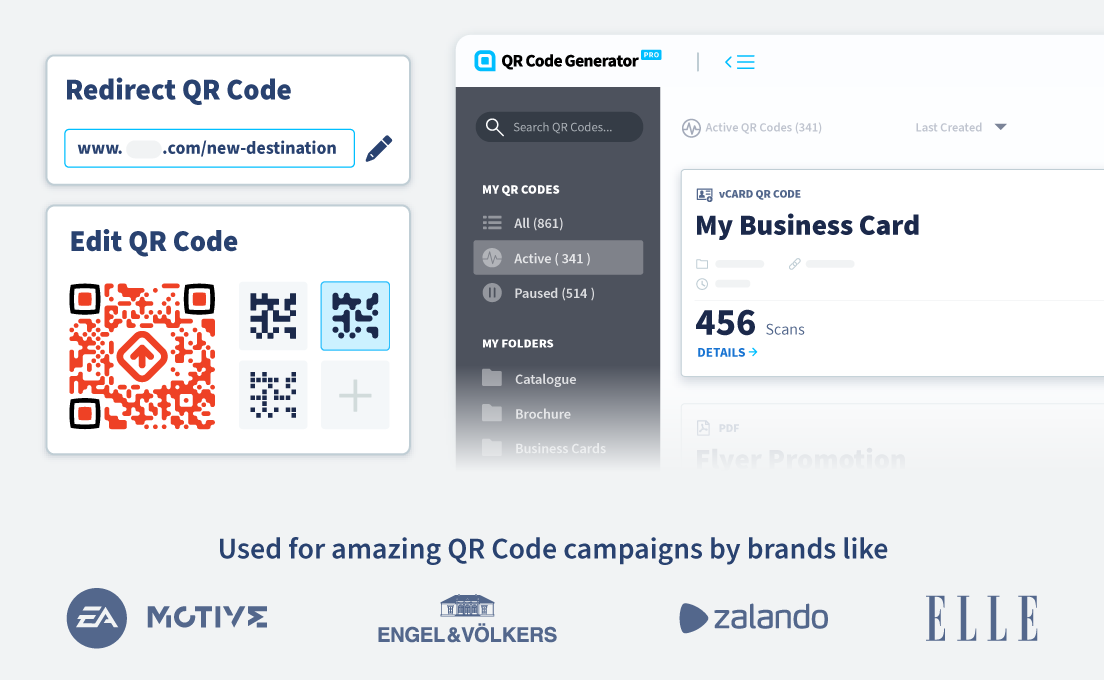
 Add custom colors, logos and frames.
