- Best Practices ●
- COVID-19 ●
- Industry Trends ●
- Partners ●
- Product ●
Do QR Codes Expire? How to Avoid Broken or Inactive Codes

You print a thousand flyers for a major event, and you place a QR Code right in the center. You launch the campaign and wait for the results. Then a customer tells you the code does not work.
This scenario is a marketing nightmare. You likely want to know if QR Codes have an expiration date before you commit to printing them on business cards or billboards. The short answer is no. QR Codes do not technically expire. The black and white pattern remains readable forever. However, the destination they lead to can absolutely stop working, especially if you don’t understand how to use a free QR Code generator with no expiration.
Understanding the difference between the code itself and the link it contains is vital. Your choice between Static QR Codes and Dynamic QR Codes determines the lifespan of your campaign. This guide explains why QR Codes sometimes fail and how you can ensure your marketing campaigns run smoothly without interruption.
Note: The brands and examples discussed below were found during our online research for this article.
-
Table of contents
- Key takeaways:
- The short answer: Do QR Codes expire?
- Why QR Codes appear inactive
- Static QR Codes remain active unless something breaks
- What can cause a Static QR Code to stop working
- Dynamic QR Codes are flexible, powerful, and subscription-dependent
- When and why Dynamic QR Codes become inactive
- How to prevent QR Code expiration
- Do you need a paid QR Code generator to avoid expiration?
- Manage QR Codes with a generator built for longevity
- FAQs
- Can a QR Code stop working even if the link is still active?
- What happens to QR Codes if a QR Code generator company shuts down?
- Are there security or privacy risks associated with Dynamic QR Codes?
- How often should businesses test or audit their QR Codes?
- Is it possible to transfer QR Codes from one generator to another without breaking them?
Key takeaways:
- QR Codes don’t technically expire, but they can stop working depending on how they’re created and managed.
- Static QR Codes last forever, but they’ll fail if the linked URL breaks, the page disappears, or the code is physically damaged.
- Dynamic QR Codes can become inactive if a free trial ends, a paid plan lapses, or you reach platform limits.
- Most QR Code “expiration” issues are preventable with proper planning, link management, and regular testing.
- Using a paid QR Code generator helps ensure long-term reliability by enabling updates, tracking, and centralized code management.
The short answer: Do QR Codes expire?
We need to clarify the terminology first. A QR Code is simply a matrix barcode that stores data. This data acts like a language that a scanner reads. The pattern itself does not have an expiry date. You can scan a QR Code printed ten years ago, and the device will still read the data.
However, we often confuse “reading the code” with “loading the content.” A code might scan perfectly, but lead to a dead error page. We call this an inactive or broken code rather than an expired one.
Here is why a code might stop working:
- The destination URL no longer exists.
- The QR Code provider deactivated the account.
- You reached the scan limits on a free plan
- The subscription ends for a dynamic service.
Why QR Codes appear inactive
Users rarely distinguish between a scanning error and a loading error. They simply see that the QR Code stops working. You must diagnose the root cause to fix it.
Some blame the technology itself. People may assume the QR Code type has a built-in timer. In reality, the issue almost always lies with the hosting service or the landing page. If you delete a page on your website, the code should still point to that deleted page. The code works, but the destination fails.
Another frequent cause involves scan limits. Some free QR Code generator tools place a cap on the number of scans allowed per month. Once you hit that cap, the provider redirects the user to a payment page or an error message. Your audience perceives this as an expired QR Code.
Static QR Codes remain active unless something breaks
Static QR Codes offer permanence. When you generate a static code, you embed the destination address data directly into the pattern. The code does not pass scan traffic through a service provider or a secondary server. It points straight to the URL or other information you entered.
This means static codes will last as long as the print lasts. They do not require an active subscription. You can cancel your account with the generator, and the code will continue to function. This reliability makes them popular for personal use or simple tasks.
What can cause a Static QR Code to stop working
Permanence comes with a significant downside. You cannot edit the data once you create the code. Static codes break if the destination changes.
Here are the primary risks with Static QR Codes:
- Broken links: If you change your website structure or delete the target web page, the code now leads to a 404 error. You cannot update the code to point to a new page.
- Typos: If you make a spelling mistake in the URL during creation, the code will always point to that incorrect address.
- Physical damage: QR Codes work by contrast. If you scratch a code on a flyer or it fades in the sun, scanners might fail to read the modules.
You must reprint the materials to fix any of these issues. This setup creates a high risk for printed materials like packaging or signage that you intend to keep for years.
Dynamic QR Codes are flexible, powerful, and subscription-dependent
Dynamic QR Codes operate differently. They do not store the final destination URL in the pattern. Instead, they store a short redirection URL managed by the QR Code platform.
When a user scans the code, their browser goes to the short URL first. The platform then instantly sends them to your landing page. The process happens in milliseconds. This redirection capability gives Dynamic QR Codes their power. You can change the target URL anytime without reprinting the code. You can also track scan metrics to see how your audience interacts with your campaign.
When and why Dynamic QR Codes become inactive
Flexibility introduces a dependency. Dynamic QR Codes expire or become inactive if the link between the short URL and the destination breaks. This usually happens at the account level.
Your codes might stop working if:
- Your subscription ends: Most providers require an active plan to maintain the redirection service. If you stop paying, the links pause.
- Free trial expiration: Many users create codes during a free trial. The codes deactivate automatically when the trial period finishes.
- Platform limits: Free or lower-tier plans often enforce scan limits. High traffic volumes can trigger a temporary deactivation until the next billing cycle.
You can typically reactivate these codes by renewing your subscription or upgrading your plan. The physical code remains valid, so you do not need to replace your marketing materials.
How to prevent QR Code expiration
You can prevent downtime with proper planning. Your strategy should match the lifespan of your physical assets and avoid common QR Code mistakes.
Start by choosing the right type of QR Code. Use Static QR Codes for information that will never change, such as simple text messages or hardcoded Wi-Fi passwords. Use Dynamic QR Codes for everything else. Marketing, business operations, and customer engagement require the ability to update links.
Monitor your destination URL regularly. Use automated tools to check for broken links on your website. If you move a page, set up a 301 redirect on your server or update the Dynamic QR Code immediately.
Keep your QR Code service account active. If you use Dynamic QR Codes on long-term assets like billboards or product packaging, ensure your payment method is current. Treat your QR Code subscription like your web hosting utility; it keeps the connection alive.
Do you need a paid QR Code generator to avoid expiration?
You might wonder if a free QR Code generator is sufficient. It depends on your risk tolerance and goals. A free tool works fine for a one-time event or a personal project. You can create a Static code for a wedding invitation without worry.
However, free plans for Dynamic QR Codes often lack the features businesses need. They might include third-party ads when users scan or restrict your data access.
Paid plans provide security and control. You own the redirection, remove scan limits, and gain access to advanced features like custom QR Codes with logos and brand colors. Investing in a professional platform protects your brand reputation by helping ensure your customers never encounter a dead link.
Manage QR Codes with a generator built for longevity
You need a partner who helps you manage your codes over time. QR Code Generator PRO provides the infrastructure for reliable, long-term campaigns.
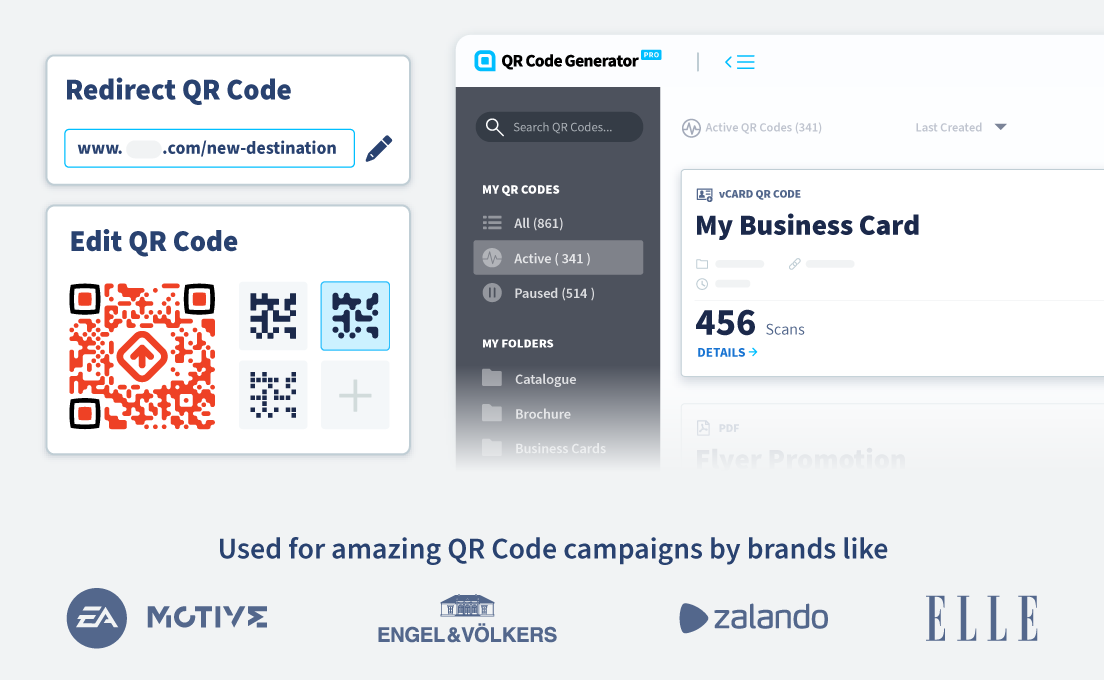
We allow you to create Dynamic QR Codes that you can update instantly. You can fix a typo, change a promotion, or redirect traffic to a new site without touching your printed assets. We also provide centralized management for all your codes. You can see which codes are active, track performance, and organize campaigns in one dashboard.
You also get peace of mind. Our platform creates high-quality PNG and SVG files designed for professional print. We help you address the common QR Code scanning problems and solutions that can lead to — and prevent — inactive codes, so you can focus on your marketing strategy.
Ready to build campaigns that last? Get started withQR Code Generator PRO and begin producing reliable codes today.
FAQs
Can a QR Code stop working even if the link is still active?
Yes. A QR Code can fail even if your website works perfectly. This typically happens with Dynamic QR Codes if you deactivate the hosting account or exceed the scan limits of your plan. The redirection service stops, breaking the path to your content.
What happens to QR Codes if a QR Code generator company shuts down?
Static QR Codes will continue to work because they point directly to your URL. Dynamic QR Codes will stop functioning because they rely on the provider’s servers to manage the redirect. Choosing a stable, reputable provider is essential for long-term reliability.
Are there security or privacy risks associated with Dynamic QR Codes?
Dynamic QR Codes involve a third-party platform, which introduces some security considerations. Reputable providers use encryption and compliance standards to protect data. Risks increase if you use unverified or free tools that lack transparency.
How often should businesses test or audit their QR Codes?
You should test codes before launch and audit them regularly. Monthly checks are usually sufficient for standard campaigns. Mission-critical codes on packaging or signage may need more frequent monitoring to ensure the destination URL and analytics function correctly.
Is it possible to transfer QR Codes from one generator to another without breaking them?
No. You cannot transfer a Static code because it contains hardcoded data. You typically cannot transfer a Dynamic code because it depends on the original provider’s redirection domain. You would need to reprint the code to switch providers.




 Add custom colors, logos and frames.
